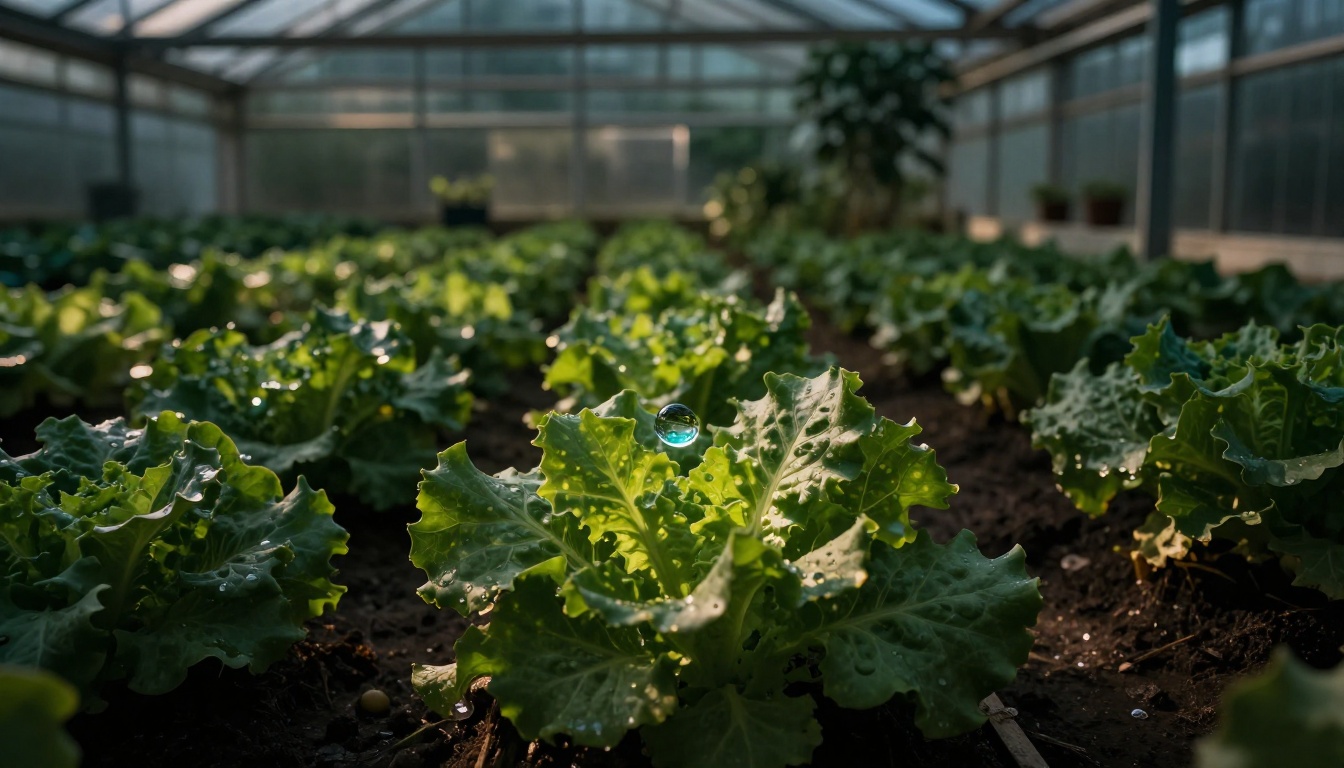
Picture this: your greenhouse plants look perfect one day, with lush green leaves and steady growth. Then, suddenly, yellow spots appear on the new growth despite your regular feeding schedule. You scratch your head because the nutrients are there in the water. This is nutrient lockout, where plants can’t absorb those nutrients even when they’re present. It often stems from pH imbalance in greenhouse water.
Greenhouses make this problem common. Water from taps, rain, or reverse osmosis systems varies in pH. A small shift blocks uptake and stresses your crops. You’ll learn the clear signs to spot it, simple tests to confirm, and quick fixes to save your plants. This knowledge boosts yields and cuts waste.
In the sections ahead, we cover causes, symptoms, testing steps, and solutions. Let’s get your greenhouse back on track.
What Causes Nutrient Lockout from pH Imbalance in Greenhouse Water
Nutrient lockout happens when pH throws off the balance. Nutrients bind to water or soil particles and stay unavailable to roots. Think of pH like a key that unlocks food for plants. If it doesn’t fit, roots starve.
pH measures acidity on a scale from 0 to 14. Seven is neutral. Most greenhouse plants do best at 5.5 to 6.5 in hydro or soilless setups. Soil crops prefer 6.0 to 7.0. Outside these ranges, problems start.
High pH locks iron, manganese, and phosphorus. Low pH blocks calcium and magnesium. Greenhouses amplify this because water sources differ. Hard water often raises pH with minerals. Soft water drops it too low. As a result, you see uneven symptoms across beds.
For example, rain collected in barrels might test at 5.0, while tap water hits 8.0. Both cause lockout if unchecked. Test your source first to stay ahead.
Here’s a quick reference for ideal ranges:
| Nutrient | Locked by High pH (>6.5) | Locked by Low pH (<5.5) |
|---|---|---|
| Iron | Yes | No |
| Manganese | Yes | No |
| Phosphorus | Yes | No |
| Calcium | No | Yes |
| Magnesium | No | Yes |
This table shows patterns. Adjust based on your crop. Tomatoes need the lower end; lettuce tolerates wider swings.
How High pH Locks Out Key Micronutrients
When pH climbs above 6.5, iron and manganese get trapped. They stick to soil particles instead of dissolving. Roots can’t grab them, so new leaves yellow.
Iron deficiency shows first in young growth. Veins stay green while tissue fades. Zinc adds speckled chlorosis, like mottled patches. Phosphorus shortages stunt roots.
In greenhouses, alkaline water from pipes causes this fast. However, symptoms mimic light stress. Check pH to confirm. Simple adjustments free those nutrients.
How Low pH Blocks Calcium and Magnesium Uptake
Below 5.5, water turns too acidic. Calcium and magnesium become insoluble. They form compounds roots ignore.
Calcium lockout burns leaf tips. New growth curls and browns. Magnesium causes yellowing between veins on older leaves. Both slow overall vigor.
Soft water or acid rain triggers this. In addition, over-fertilizing drops pH further. Balance it soon to avoid weak stems.
Spot the Warning Signs of Nutrient Lockout on Your Plants
Plants signal pH issues with specific patterns. Look for symptoms on new growth for high pH problems. Old leaves yellow first in low pH cases. This differs from pests or overwatering, which hit randomly.
Take photos weekly. Compare them to track changes. Patterns emerge fast in controlled greenhouses. Most importantly, act before it spreads.
High pH shows interveinal chlorosis up top. Low pH brings burns and spots lower down. Stunted tips signal broad lockout. Rule out drought by checking soil moisture.
Yellow Leaves with Green Veins on New Growth
New leaves turn pale yellow, but veins hold green. This chlorosis screams iron or manganese lockout from high pH. It starts at the top and moves down.
For instance, cannabis or herbs show this in week three of veg. Roots have nutrients, yet plants starve. Unlike nitrogen deficiency, veins stay dark. Test water pH next.
Burnt Leaf Tips and Edges
Tips brown and curl inward. Edges crisp like fire damage. Low pH locks calcium, so new cells can’t form.
Tomatoes and peppers suffer most in greenhouses. Meanwhile, humidity hides it at first. Pinch affected tips. Flush if pH reads low.
Stunted Growth and Twisted New Leaves
Plants stop stretching. New leaves cup or twist. Multiple nutrients lock out from extreme pH swings.
This hits broadleaf crops hard. Growth slows 50% in days. Compare to healthy neighbors. pH imbalance explains the lag.
Test Your Greenhouse Water pH Step by Step
Testing takes minutes and costs little. Grab a meter or strips. Focus on runoff, not just input water. It shows what roots see.
Calibrate tools monthly. Clean them after use. Aim for 5.8 to 6.2 in most systems. Off by 0.5 units? Adjust now.
Weekly checks prevent lockout. Log results in a notebook. Trends guide your tweaks.
Gather Your Testing Tools and Prepare Samples
Start with a pH meter under $20 or color strips. Add an EC meter for salts. Use clean cups.
Collect from reservoirs, drip lines, and pot bottoms. Let samples sit 24 hours. Stir gently. This stabilizes readings.
In greenhouses, test morning and evening. Water settles overnight.
Run the Test and Read the Results
Rinse the probe in distilled water. Dip into your sample. Wait 30 seconds for steady numbers.
Note the pH. Compare to crop needs. Above 6.5 or below 5.5 flags lockout risk.
Retest after mixing nutrients. Small drifts add up.
| pH Reading | Action Needed | Ideal for Most Crops |
|---|---|---|
| Below 5.5 | Add pH up | No |
| 5.8-6.2 | Good to go | Yes |
| Above 6.5 | Add pH down | No |
This guide simplifies decisions. Recovery follows quick fixes.
Fix pH Imbalance and Prevent Lockout in Your Greenhouse
High pH? Add phosphoric acid drops. Go slow, 0.2 units at a time. Retest after one hour. Low pH needs potassium hydroxide.
Flush the system with balanced water. Run three volumes through media. Plants rebound in days.
Prevent with weekly tests. Buffer hard water with calcite filters. Use RO for extremes. Automate with controllers for steady control.
Pro tip: Mix nutrients in pH-adjusted base water first. This avoids swings. Expect full recovery in 3-7 days. Yields bounce back strong.
Spotting nutrient lockout early saves your greenhouse crop. Check pH today with simple tools. You’ll catch imbalances before yellowing spreads.
Test runoff this week. Share your fixes in the comments below. Subscribe for more tips on steady grows. Master pH, and watch harvests soar.