How to Measure PAR with a Light Meter for Thriving Plants
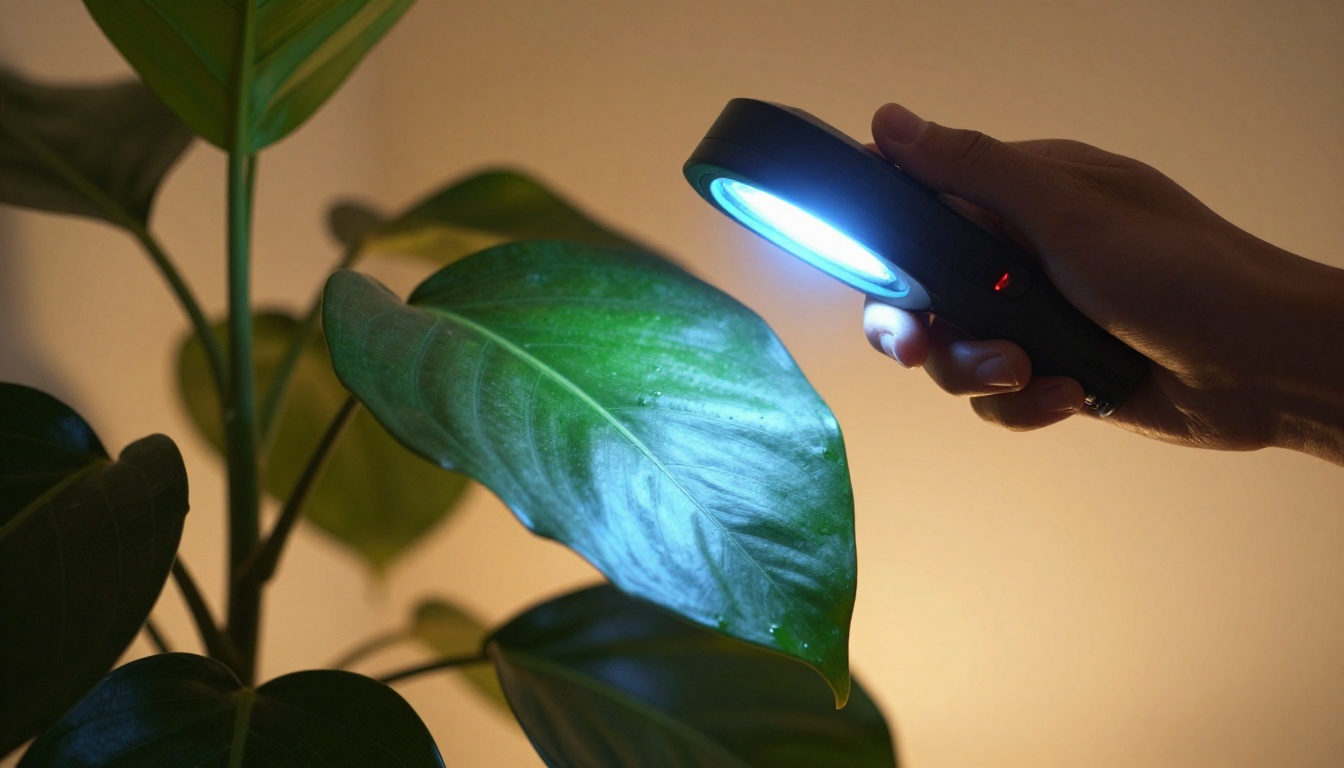
Indoor gardeners often stare at leggy stems and slow growth. You water on schedule and add nutrients, yet plants stretch toward lights. The issue? PAR, or Photosynthetically Active Radiation, the specific light plants crave for photosynthesis. PAR covers wavelengths from 400 to 700 nanometers. Plants absorb this blue-to-red spectrum best to make energy. Regular light … Read more
How to Clean Greenhouse Glazing to Restore Maximum Light Transmission

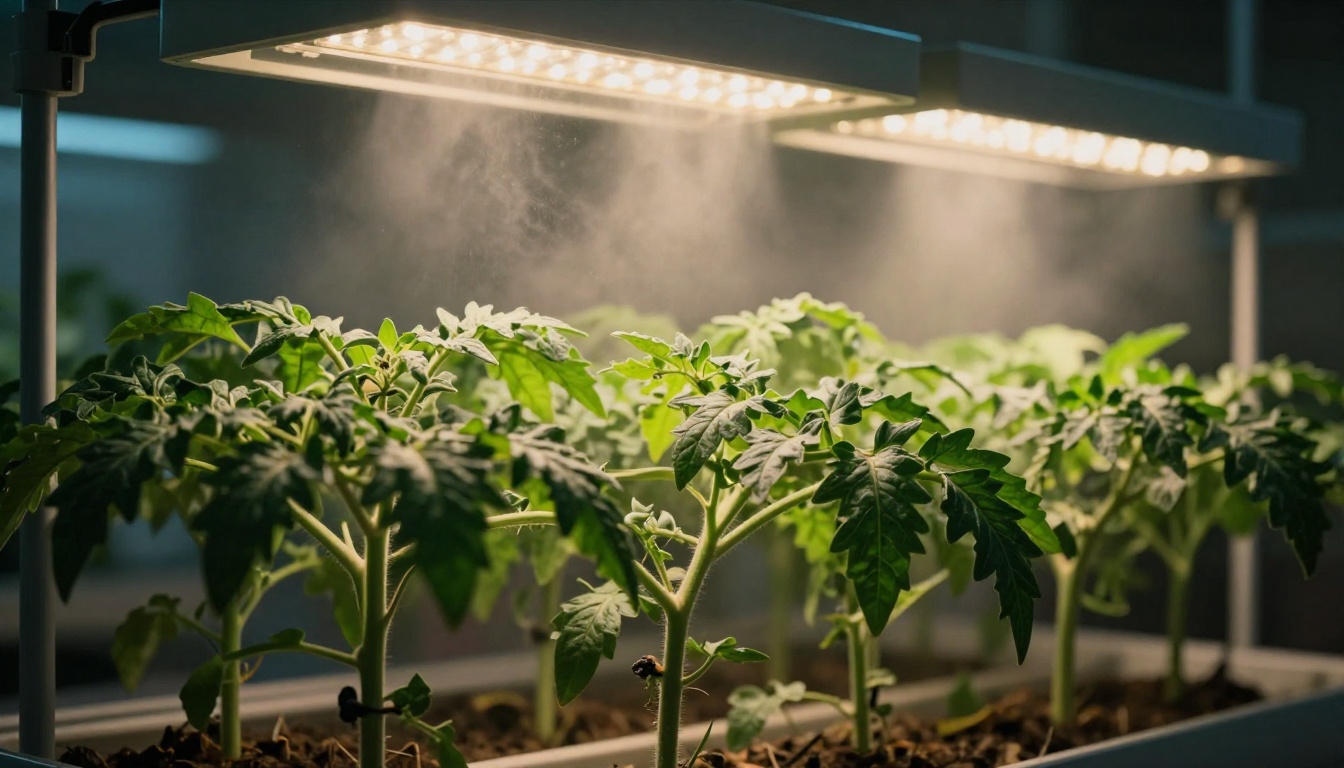
Picture this: a gardener named Tom noticed his tomatoes growing tall and spindly. Yields dropped by half. He cleaned his greenhouse glazing one weekend. Plants perked up fast. Yields doubled the next season. Dirty glazing blocks 20 to 50 percent of light from dust, algae, and minerals. This stresses plants. Photosynthesis slows. You get weak … Read more

LED vs HPS Grow Lights: A Beginner’s Guide to the Right Choice

Picture this: Jake, a first-time indoor gardener, struggled with spindly tomatoes under old fluorescent tubes. He switched to the right grow light and doubled his harvest in one season. That simple change boosted growth, cut his electric bill, and saved his plants. You face the same choice now. LED and high-pressure sodium (HPS) grow lights … Read more

How to Calculate Photoperiod Requirements for Flowering Plants

Picture this: you nurture a poinsettia with perfect soil and water. Yet it refuses to bloom. Frustrating, right? That stubborn plant likely waits for the right photoperiod—the daily hours of light it needs to trigger flowers. Many home growers face this issue, especially indoors or in climates that don’t match plant origins. You can fix … Read more