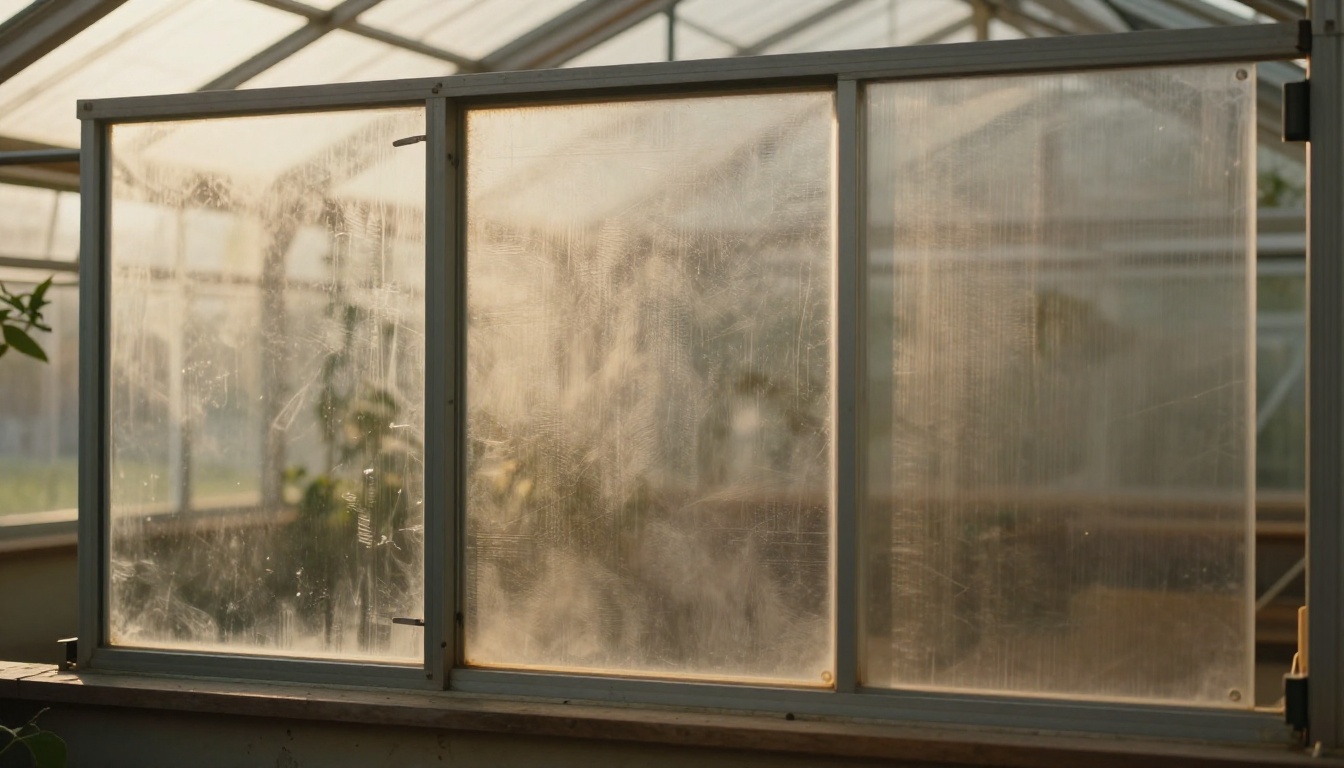
Picture this. You stand in your backyard, ready to build a greenhouse that floods your plants with sunlight. Or maybe you plan a skylight to brighten your kitchen. The transparent covering, called glazing, makes it all happen. Glass offers classic clarity. Polycarbonate brings tough flexibility. Polyethylene provides cheap coverage. Your pick hinges on budget, durability, and project type.
This guide breaks down each material’s traits. It compares them side by side. You will see best fits for greenhouses, patios, and more. Plus, get tips to decide without second thoughts. Let’s start with the basics of each option.
Get to Know the Core Features of Each Glazing Material
Each glazing type suits different needs. Glass shines in looks and light. Polycarbonate stands out for strength. Polyethylene wins on price. Know their core traits first. That helps you match them to your goals.
Why Glass Glazing Delivers Timeless Clarity
Glass comes from silica sand. Builders have used it for centuries. It lets in up to 90% of light. That means bright, undistorted views inside.
You get good thermal insulation, especially with double panes. It looks elegant, like a picture window in a frame. Glass resists scratches well. People recycle it easily. Tempered versions break into safe pebbles, not sharp shards.
However, it weighs 10 to 15 pounds per square foot. Strong frames hold it up. Impacts can shatter it without tempering. Costs run higher too. Single-pane suits basic windows. Double-pane fits cold climates. High-end greenhouses love its clarity. Plants grow strong under true sunlight.
Polycarbonate’s Toughness and Lightweight Edge
Polycarbonate acts like a plastic superhero. It proves 200 times stronger than glass of same thickness. Blows flex it instead of breaking. Weight drops to one-sixth of glass.
Thickness ranges from 4mm to 16mm. Thicker sheets block more heat. UV coatings prevent yellowing over time. It bends for curved roofs. That works great for domes.
Scratches mark it easier than glass. Clean it gently. Insulation stays moderate. Safety rules this material. Think bulletproof shields, but for everyday use. Homeowners pick it for kid zones or hail country.
Polyethylene’s Budget-Friendly Flexibility
Polyethylene rolls out like plastic film. Or it comes in rigid panels. Prices stay low. It diffuses light evenly. No hot spots burn plants.
Weight stays featherlight. You clip it on hoops fast. UV treatment extends life to 4 years. Plain versions last 2 years max.
Tears happen from wind or branches. Insulation lags behind others. Replace it often. It fits temporary setups best. Like a shower curtain over your garden. Simple. Effective. Short-term.
Compare Head-to-Head: Durability, Cost, and Performance Factors
Trade-offs define these materials. Glass lasts longest but costs most. Polyethylene saves money now but needs swaps. Polycarbonate balances it all. See how they stack up.
Use this table for quick facts. It scores key areas on a 1-10 scale. Higher means better performance.
| Factor | Glass | Polycarbonate | Polyethylene |
|---|---|---|---|
| Durability (10 yrs) | 9 | 8 | 3 |
| Cost per sq ft | $10+ | $3-$8 | $0.50-$2 |
| Impact Resistance | 5 | 10 | 4 |
| Light Transmission | 9 | 8 | 7 |
| Insulation | 9 | 6 | 2 |
| Weight (lbs/sq ft) | 12 | 2 | 0.5 |
Glass leads in longevity. Polyethylene tempts with low entry price. Pick based on your priorities.
Strength and Safety: Who Handles Impacts Best?
Polycarbonate tops impact tests. It flexes under hail or balls. Glass shatters unless tempered. Polyethylene punctures from sharp hits.
Families choose polycarbonate near play areas. Pets bump it without harm. In stormy spots, it saves repairs. Tempered glass helps, but weight adds risk. Polyethylene suits calm, low-use sites. Edge treatments seal all types safe.
Upfront Costs vs. Long-Term Value
Polyethylene costs $0.50 to $2 per square foot. Perfect for one season. Polycarbonate hits $3 to $8. Glass starts at $8, climbs with panes.
Install labor favors light options. Polyethylene skips heavy framing. Replace it yearly? Savings vanish. Glass pays off over 20 years. Example: 100 sq ft greenhouse. Polyethylene totals $200 yearly. Polycarbonate lasts 10 years at $500. Glass endures 25 years for $1,200. Calculate your timeline.
Light, Heat, and Weather Resistance Breakdown
All pass 80-90% light. Glass keeps colors true. Polycarbonate diffuses slightly. Polyethylene scatters it most.
Coated polycarbonate blocks UV best. Glass lets it through. Polyethylene fades fast without treatment. For heat, double glass retains warmth in greenhouses. Single layers lose it. Polycarbonate traps moderate amounts. Polyethylene chills quick. Outdoors, polycarbonate weathers hail. Glass cracks in frost. Polyethylene flaps in wind.
Weight, Install Ease, and Upkeep Needs
Glass demands sturdy supports. Pros often install it. Polycarbonate cuts weight. You DIY with basic tools. Polyethylene clips in minutes.
Clean glass with soap. It shines easy. Polycarbonate needs soft cloths to dodge scratches. Polyethylene wipes fast but rips need patches. All benefit from annual checks.
Match Glazing to Your Project for Perfect Results
Your project sets the rules. Greenhouse? Prioritize light and heat. Patio cover? Focus on safety. Ask: How long will it last? What’s the weather like? Match materials to fit.
Top Choices for Greenhouses and Plant Shelters
Budget hoop houses take polyethylene. It diffuses light for even growth. Plants thrive cheap.
Year-round greenhouses pick polycarbonate. It shrugs snow and wind. Pair with vents for air flow.
Premium setups use glass. Clear light boosts yields. Add shades for hot summers.
Best for Skylights, Patios, and Home Additions
Glass rules indoors. It insulates and looks sharp in kitchens. Energy codes often require it.
Polycarbonate fits high-traffic patios. Kids run under safe. Hail won’t ruin your cookout.
Polyethylene skips these spots. It lacks strength for roofs or walls.
Winning Picks for Outdoor Structures and Enclosures
Carports and pool covers love polycarbonate. UV blocks fade fabrics. Impacts from balls bounce off.
Temporary fences use polyethylene. Quick setup for events.
Decorative pergolas take glass panels. They frame views elegant.
Smart Steps to Finalize Your Glazing Choice
Narrow options with a checklist. Measure space twice. Check warranties. Buy quality to avoid headaches.
Key Questions to Ask Yourself and Suppliers
Start here. What’s your budget? Harsh winters or mild sun? How many years do you need it? Safety first for kids? Climate matters too. Hail zones scream polycarbonate.
Ask suppliers: UV coating included? Thickness options? Local code compliant? Return policy? Samples available? Pro tips match your setup.
Installation and Care Tips for Maximum Lifespan
Frame strong for glass. Seal edges tight. Polycarbonate screws direct. Polyethylene stretches over hoops.
Clean with mild soap. Rinse well. Check seals yearly. Add UV film to polyethylene. Trim branches near all types. That boosts years of use.
No perfect glazing fits every job. Glass excels in clarity and insulation. Polycarbonate offers safety and ease. Polyethylene saves cash short-term. Balance your needs with budget for wins.
Recall that backyard greenhouse. Now you pick confident. Measure your space. Grab quotes from suppliers. Build that light-filled haven. What’s your project? Share in comments. Happy glazing.