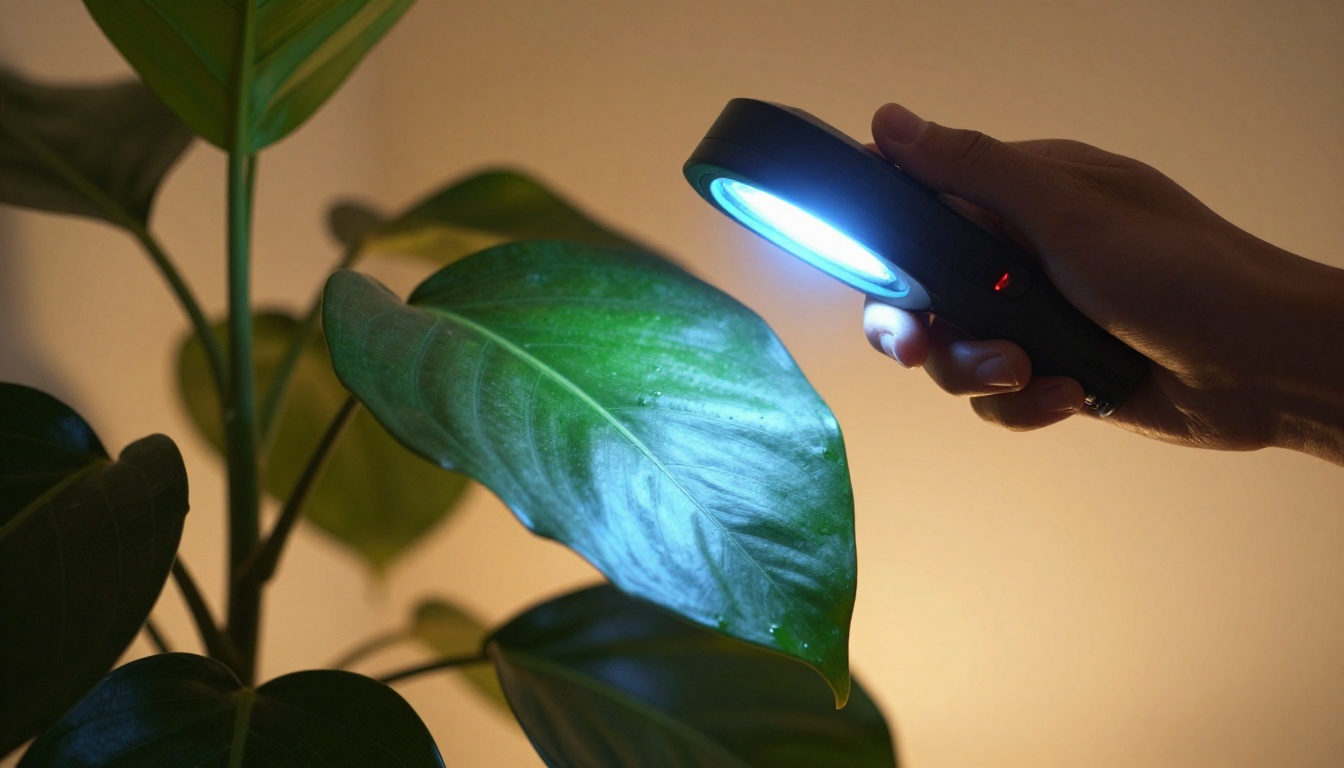
Indoor gardeners often stare at leggy stems and slow growth. You water on schedule and add nutrients, yet plants stretch toward lights. The issue? PAR, or Photosynthetically Active Radiation, the specific light plants crave for photosynthesis.
PAR covers wavelengths from 400 to 700 nanometers. Plants absorb this blue-to-red spectrum best to make energy. Regular light meters read lux or foot-candles. Those skew results under grow lights. They favor sunlight patterns, not LEDs or HPS bulbs.
Accurate PAR checks fix that. You get bigger yields and healthier leaves. This guide shows you what PAR means, how to pick a meter, steps to measure, read results, and pro tips. Ready to boost your grow?
What Exactly Is PAR and Why Measure It for Your Plants?
Plants turn light into food through photosynthesis. PAR delivers the exact photons they need. It spans 400 to 700 nm. Blue light drives growth. Red fuels flowering. Without enough, plants weaken.
Lux meters lie to growers. They measure brightness humans see. Grow lights emit purple hues. Lux drops low, but PAR stays high. You risk under or over lighting.
Measure PAR to match plant needs. Seedlings want 200 µmol/m²/s. Flowering cannabis craves 800 to 1000. Optimize your setup. Avoid burn or stretch.
Think of PAR as plant fuel. Cars need octane. Plants need photons. Check levels, and watch buds swell or veggies plump.
Benefits stack up. Tailor lights to stages. LEDs shine efficient. HPS packs punch. Measure, then adjust height or intensity.
Here’s a quick look at ideal PAR ranges:
| Plant Type | Seedling/Clone | Vegetative | Flowering |
|---|---|---|---|
| Cannabis | 100-300 | 300-600 | 600-1000+ |
| Tomatoes | 200-400 | 400-700 | 700-900 |
| Lettuce | 100-250 | 250-400 | N/A |
| Orchids | 100-200 | 200-400 | 300-500 |
Use these as starting points. Your plants respond best.
PAR vs Other Light Measurements: Know the Difference
Lux suits offices. It ignores plant vision. Foot-candles work the same. Both bias toward yellow-green light.
PPFD tells the real story. It measures PAR density in µmol/m²/s. That’s photons per square meter per second. Plants count those.
Picture two lights. Same lux output. One LED blasts PAR. The fluorescent lags. PAR meters reveal truth.
| Measurement | Units | Best For | Grow Light Issue |
|---|---|---|---|
| Lux | Lumens/m² | Human eyes, sunlight | Underrates LEDs |
| Foot-candles | Lumens/ft² | Same as lux | Skewed for HPS |
| PPFD (PAR) | µmol/m²/s | Plants directly | Accurate always |
Switch to PAR. You see what matters.
Pick the Right PAR Light Meter for Reliable Results
Quantum sensors catch PAR right. Handhelds like Apogee models lead. Apps pair with sensors too. Pick based on your space.
Full-spectrum response covers 400-700 nm evenly. Cosine correction handles angles. Waterproof builds last in humid tents.
Data logging saves trends. Apps graph over time. Range hits 2000 µmol/m²/s for sun sims. Calibration certificate proves accuracy.
Budget picks start at $200. Pros run $500+. Small tents need portables. Big rooms want stands.
Consider NIST traceability. Sensors match lab standards. Cheap fakes drift fast. Test yours outdoors on sunny days.
| Feature | Budget Meter | Pro Meter | Why It Helps |
|---|---|---|---|
| Price | $150-300 | $400+ | Fits your wallet |
| Data Logging | Basic | Full app | Track changes |
| Waterproof | No | Yes | Grow room safe |
| Calibration | 1 year | Annual NIST | Reliable reads |
Shop smart. Match to needs.
Must-Have Features in a Top PAR Meter
Wide response avoids gaps. Battery lasts weeks. Simple buttons speed use.
Bluetooth links to phones. Apps average spots. Skip fakes with yellow filters. They fake high reads.
Test in known light. Sunny window hits 1000-2000 µmol/m²/s. Yours should match.
Ease wins. Clear screens beat menus.
Step-by-Step Guide: Measure PAR Accurately Every Time
Prep first. Charge the meter. Check manual for calibration. Dark zero sets baseline.
Power on. Wait 30 seconds. Place sensor flat at canopy height. Hold steady.
Wait 10-30 seconds. Note the number. Move to next spot. Average five to ten reads.
Vertical grows need multi-height checks. Stay 6 inches from bulbs. Heat burns sensors.
Sessions take 5-10 minutes. Do weekly.
- Dark zero: Cover sensor. Press zero.
- Position: Parallel to leaves. No shadows.
- Read: Steady hand. Record µmol/m²/s.
- Repeat: Grid your space.
- Average: Math the totals.
Consistency builds trust in data.
Calibrating and Positioning Your Sensor Right
Factory cal works first year. Send for lab checks after. Stray light fools zeros.
Level the sensor. Use a bubble tool. Keep 1-2 inches above leaves. Tilt drops 20%.
Tents: Clip to crossbars. Rooms: Tripod steady. Avoid fan breeze.
Mapping PAR Across Your Entire Grow Area
Divide into grids. 2×2 feet per point. Nine spots for 4×4 tents.
Record each. Phone apps log fast. Hot centers hit 900. Edges lag at 400.
Fix with reflectors. Even light equals even growth.
Interpret PAR Numbers to Dial In Perfect Light Levels
Low reads mean stretch. High cause bleach. Seedlings take 100-300 µmol/m²/s. Veg hits 300-600.
Flower demands 600-1000+. Raise lights for less. Dim for more. Add Mylar walls.
Check bulbs weekly. Output fades 20% yearly.
Tomatoes love 400-800. Orchids stay under 500.
| PAR Level | Signs | Fix |
|---|---|---|
| Under 200 | Leggy, pale | Lower lights, more watts |
| 200-500 | Healthy veg | Maintain |
| Over 800 | Bleach, curl | Raise or dim |
Act on numbers. Growth follows.
Ideal PAR Levels for Popular Plants and Growth Stages
Cannabis flowers at 800-1200 with CO2. Herbs cap at 400. Succulents drop to 200-500.
CO2 bumps tolerance 20%. Strain matters too.
Tailor, and harvest jumps.
Common Mistakes to Skip and Pro Tips for Success
Tilt sensors. Cosine error cuts 30%. One spot misses edges.
Ignore reflections. Walls boost 10-20%. Measure with plants in.
Pro tip: Track DLI. Multiply PAR by hours, divide by 3600. Aim 20-40 mol/m²/day.
Clean lens weekly. Store dry. Dawn checks catch drifts.
Verticals map walls too. Apps plot 3D.
FAQ: Lux apps? No, wrong spectrum. Measure biweekly.
Your plants reward effort with fat yields.
Master PAR, and your grow transforms. Understand it first. Grab a meter. Measure grids. Adjust lights smart.
Test today. Share your before-afters below. What PAR did you find? Bigger buds await.
Quick FAQ: PAR meter beats lux apps because it sees plant light. Measure every two weeks or after changes.
Join the newsletter for more hacks. Happy growing!