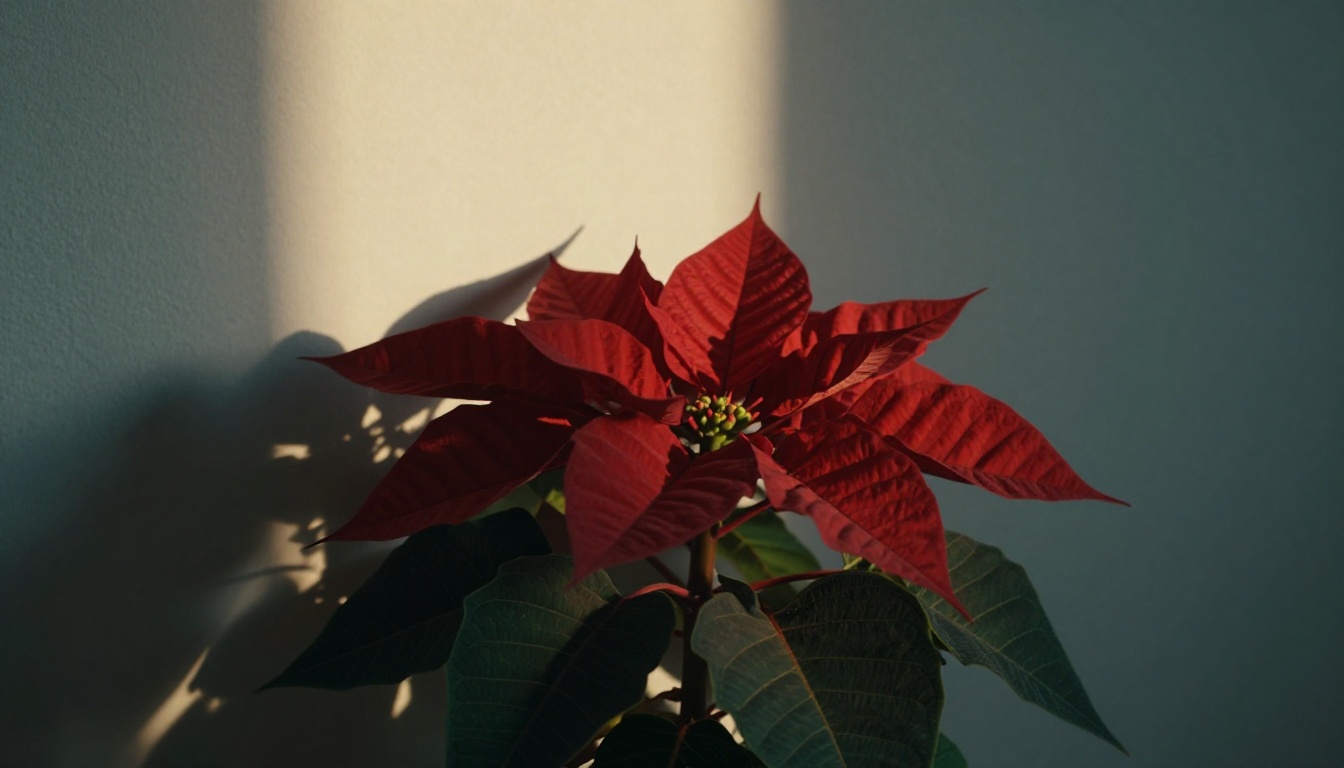
Picture this: you nurture a poinsettia with perfect soil and water. Yet it refuses to bloom. Frustrating, right? That stubborn plant likely waits for the right photoperiod—the daily hours of light it needs to trigger flowers.
Many home growers face this issue, especially indoors or in climates that don’t match plant origins. You can fix it by calculating exact light needs. This post covers basics, plant types, step-by-step math, real examples, and control tips. You’ll soon match any flowering plant to your setup for reliable blooms.
What Photoperiod Means for Your Flowering Plants
Photoperiod acts like a seasonal cue for plants. It tells them when to shift from growth to blooming based on daily light hours. Think of it as nature’s alarm clock for flowers.
Plants sense this through phytochrome, a pigment that detects red and far-red light. Short days signal autumn; long days mimic summer. Because of this, knowing your plant’s photoperiod helps you predict blooms accurately.
For example, Christmas poinsettias need long, uninterrupted nights. They won’t flower if streetlights sneak in. This differs from light intensity or total sun—it’s purely about day length. Gardeners who track it save time and get higher success rates.
In short, photoperiod requirements guide your care routine. You avoid guesswork and enjoy flowers on schedule.
Spotting the Three Photoperiod Types in Flowering Plants
Most flowering plants fall into three groups based on light needs. Each has a critical day length—the exact hours that tip them toward blooming. Spot yours quickly to set up success.
Short-day plants love long nights. Long-day ones thrive on extra daylight. Day-neutral types ignore the clock altogether. Match your conditions, and flowers follow.
Short-Day Plants That Bloom with Long Nights
Short-day plants flower when days stay under 12 to 14 hours. They crave 10 to 14 hours of darkness each night. Poinsettias need at least 14 hours dark to form those red bracts.
Chrysanthemums max out at 12 hours light. Kalanchoes and gardenias join them. Get the light wrong, and you see no buds or leggy stems. Growers force these for holidays by blacking out evenings.
Spot them on seed packets or plant tags. They suit fall and winter indoors.
Long-Day Plants That Crave Extra Daylight
Long-day plants demand more than 14 to 16 hours of light daily. They delay flowers otherwise. Asters, gaillardia, and some salvias fit here. Even veggies like lettuce bolt under these conditions.
Summer provides ideal natural light in northern areas. Short days cause rosette growth—no blooms. You might extend days with lights for off-season tries.
These plants shine in greenhouses or high latitudes during peak sun.
Day-Neutral Plants Flexible with Any Light Schedule
Day-neutral plants bloom by maturity, not day length. Give them enough total light, and flowers come regardless. Roses, tomatoes, sunflowers, African violets, and carnations top the list.
Beginners love them for low fuss. They tolerate 10 to 16 hours fine. Health and nutrients matter more than timing.
In contrast, they skip the strict rules of other types. Perfect for mixed indoor gardens.
Step-by-Step Guide to Calculating Photoperiod Needs
Ready to crunch numbers? Follow these steps to find exact light hours for your plants. Start with basics, then adjust for your spot.
This works for outdoor beds or indoor shelves. Simple math makes it foolproof.
Finding Trusted Photoperiod Data for Specific Plants
First, identify your plant’s species and variety. Check university extension sites, seed envelopes, or care books. Look for “critical photoperiod” or day length notes.
Varieties differ, so verify hybrids. For instance, some chrysanthemum strains need 13 hours max light.
Here’s a quick reference table:
| Plant | Type | Critical Light Hours |
|---|---|---|
| Poinsettia | Short-day | Under 12 |
| Chrysanthemum | Short-day | Under 12-14 |
| Rose | Day-neutral | 12-16 |
| Sunflower | Day-neutral | Any 10+ |
| Aster | Long-day | Over 14 |
Use this as a starting point. Always cross-check for your exact cultivar.
Figuring Your Location’s Natural Photoperiod
Next, track local daylight. It varies by latitude and season. Equator stays near 12 hours year-round. Northern US spots hit 15 hours in summer, 9 in winter.
In April across the US, expect 12 to 13 hours north of the Mason-Dixon. Use sunrise-sunset apps for precision. Note the date—days lengthen fast in spring.
This baseline shows your natural supply.
Math for Matching Plant Needs to Your Setup
Now calculate the gap. Formula: required dark hours = 24 minus critical light hours.
Example: poinsettia needs under 12 hours light, so over 12 hours dark. If your April day gives 13 hours light, add one hour blackout.
For long-day plants, supplement short days: turn on lights to reach 16 hours total. Subtract current from target, then set timers.
Keep it basic. Test small, then scale.
Photoperiod Examples for Favorite Flowering Plants
Put steps to work with popular picks. Grouped by type, these show critical hours and tweaks.
Short-day stars: Poinsettia (<12 hours light; best October-December outdoors south, blackouts north). Chrysanthemum (12-14 hours max; fall bloomer, cover after sunset). Kalanchoe (11 hours light; year-round with 13-hour nights).
Long-day favorites: Gaillardia (>14 hours; summer perennial, extend spring days indoors). Salvia varieties (16 hours ideal; lights boost early flowers). Dill (as flower proxy, >15 hours to seed).
Day-neutral reliables: Rose (12-16 hours; steady light equals steady blooms). Tomato flowers (10-14 hours; focus on intensity). Sunflower (any solid 12 hours; giants form regardless). African violet (12 hours average; pots anywhere bright).
Carnation (flexible, 10-18 hours; cut-flower ease). Gardenia (short-day lean, but <14 hours triggers).
Pick one, apply your location data. Blooms reward the effort.
Smart Ways to Control Photoperiod for Bigger Blooms
Control starts with timers on grow lights. Set for exact on-off cycles. Short-day plants get black plastic over pots at dusk—no leaks from lamps or windows.
LEDs mimic sun without heat. Reflective foil bounces light evenly. Outdoors, choose shade cloth for long-day excess or plant short-day types in fall.
Light meters confirm hours, not just brightness. Troubleshoot: stretched plants mean too much light; no buds signal interruptions.
Pros extend seasons this way. You can too, for year-round color.
Master Photoperiod for Blooms That Wow
You’ve got the tools: understand types, calculate needs, use examples, and tweak setups. Photoperiod turns guesswork into guarantees.
Grab a plant today. Run the math for your spot. Watch flowers burst right on cue.
Share your results in comments. Which plant surprised you most? Subscribe for more garden tricks that deliver. Happy growing—your blooms await.
(Word count: 1492)