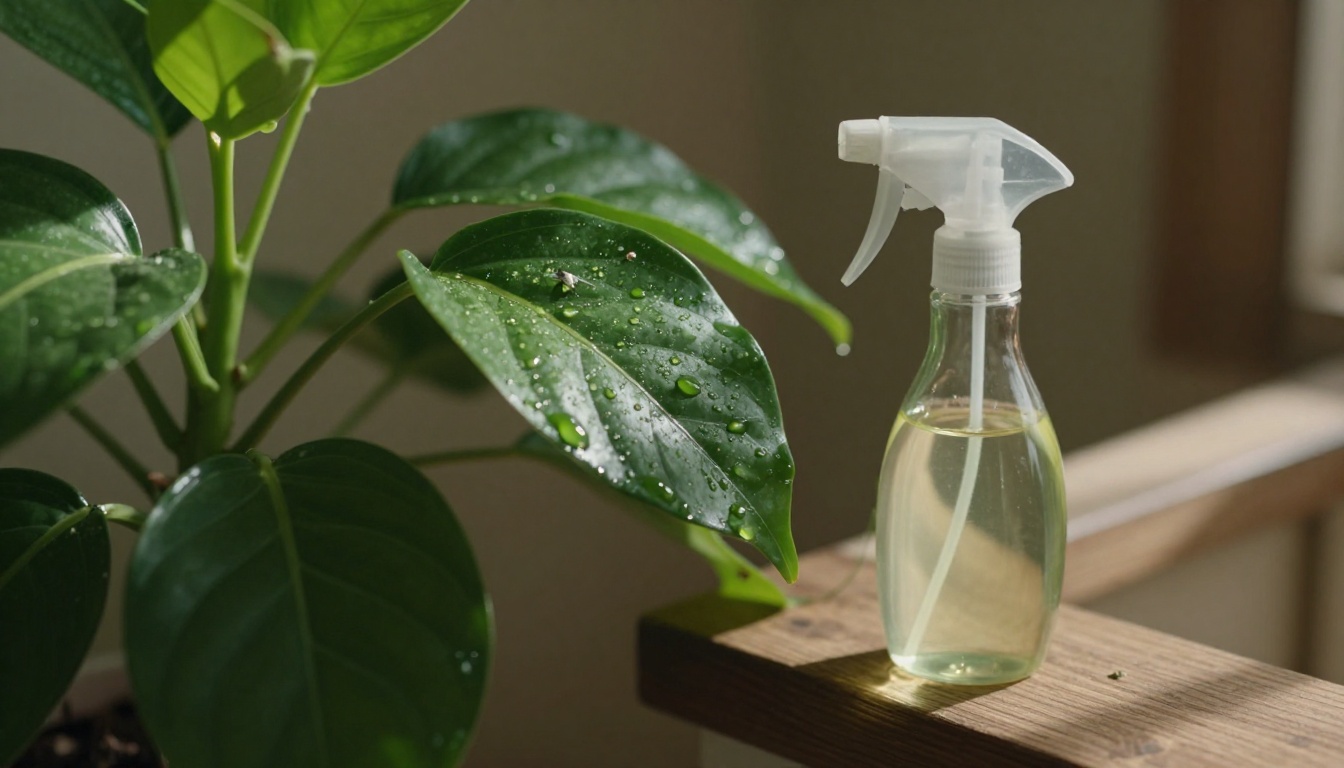
You spot those tiny whiteflies or aphids swarming your prized houseplants. The frustration hits hard, especially when chemical sprays fill your apartment with a chemical stench that lasts for days or risks your curious pets. You’ve got enough on your plate without turning your home into a no-go zone.
Many indoor gardeners deal with this in tight spots like homes, apartments, or greenhouses. Pests thrive in enclosed spaces because they lack natural predators. Chemical fixes often backfire; they harm beneficial bugs, leave residues, or drift into living areas.
Neem oil and insecticidal soaps offer a better path. Neem oil, pressed from neem tree seeds, disrupts pest hormones and feeding so they starve or stop breeding. Insecticidal soaps coat soft-bodied insects, suffocating them on contact. Both work great for neem oil in enclosed spaces and insecticidal soaps indoors, since they break down quickly without toxic buildup.
You can knock out spider mites, mealybugs, and scale safely, but only if you use them right. Poor mixing causes leaf burn; bad timing stresses plants. Overuse leaves sticky films that attract more dirt and pests.
That’s where this guide helps. You’ll get safety tips to protect people and pets first. Next come easy mixing recipes, precise application steps, and pro tricks for lasting results. Stick around, and your green oasis stays pest-free. Let’s dive into safety essentials.
Why Neem Oil and Insecticidal Soaps Excel at Indoor Pest Control
You need options that hit pests hard without turning your home into a hazard zone. Neem oil and insecticidal soaps stand out because they target common indoor pests like aphids, spider mites, and whiteflies. These bugs love the warm, humid spots around your windowsills or shelves. Yet, these treatments stay safe when you apply them right.
Neem oil comes from neem tree seeds. It contains azadirachtin, a compound that disrupts insect hormones. Pests stop feeding, molting, or breeding as a result. Soaps use fatty acids to break down soft bug outer layers. Bugs dry out and die fast. Both beat chemical sprays, which build up in tight spaces and harm pets or kids. In addition, they leave no strong odors and spare most plants or helpful insects.
Picture your basil on a sunny windowsill covered in aphids. A quick spray knocks them out without residue worries. These tools shine indoors because they break down fast. However, poor air flow demands caution to avoid plant burn. Let’s break down each one.
The Magic Behind Neem Oil’s Pest-Stopping Power
Neem oil starts as a press from neem tree seeds. It’s an organic choice approved for food crops, so you feel good using it near edibles. The key player, azadirachtin, acts on contact or as a repellent.
Pests like spider mite eggs, larvae, or adults all suffer. It blocks their growth hormones, so they starve or fail to reproduce. For example, whiteflies on your ficus lose their appetite fast. Bees stay safe too, as long as the spray dries before they buzz in.
Always dilute it first. Mix with water and an emulsifier like mild dish soap to blend properly. Otherwise, oil separates and clogs sprayers. Shake well each time. This keeps your tools running smooth and your plants protected.
How Insecticidal Soaps Smother Bugs on Contact
Insecticidal soaps blend potassium salts with plant fats. They work like a rinse that coats and suffocates soft-bodied pests right away. Aphids or mealybugs can’t breathe through the film.
However, they skip hard shells on beetles or adult weevils. Sunlight breaks them down quick, so no long-term buildup happens. This makes them perfect for fast knockdowns in your living room.
Buy pure castile soap or horticultural versions. Kitchen detergents often leave residues or harm leaves. Test on one leaf first. Spray until it drips, then rinse after a few hours if needed. You’ll see pests drop in minutes.
Enclosed Spaces Demand Extra Care: Here’s Why
Indoor spots trap fumes or residues because air flow stays low. This leads to leaf burn or eye irritation for you. High humidity worsens it, as droplets linger longer.
Yet, the upside shines in small areas. You target pests precisely without drift to counters or floors. Temperature matters too; warm rooms speed drying, but hot spots stress plants.
Compare to chemicals that cling to walls. These options fade fast, keeping your air clean. Ventilate after spraying. Open windows or use a fan. Your herb garden thrives pest-free, and everyone breathes easy.
Safety First: Prepping Your Enclosed Space for Treatment
Before you grab that spray bottle, focus on safety. Protect your family, pets, plants, and furniture from any mishaps. Indoor use means less air movement, so vapors linger longer. Prep right, and you avoid burns, smells, or sticky messes. Start by clearing the area and gearing up. You’ll spray with confidence.
Essential Gear and Habits to Stay Safe Indoors
Gear up first to shield yourself. Neem oil carries a strong garlic-like odor that irritates eyes and lungs. Grab these must-haves:
- Respirator mask with organic vapor cartridges; it blocks fumes better than a dust mask.
- Nitrile gloves to keep oil off your skin; they resist punctures.
- Safety goggles that seal around your eyes.
Next, set up your space. Seal doorways with plastic sheeting and tape. This keeps treatment in one room. Lay down drop cloths or old sheets on floors and shelves. Cover nearby furniture too. Move kids and pets out completely. In addition, water plants well a day before. Healthy ones handle sprays better. Skip stressed plants showing wilting or new growth.
Ventilate smartly during prep. Open windows briefly or run a fan to push air out. After spraying, wait 1-2 hours, then air out fully. Fans help here too. Common mistake? Over-spraying leaves drips everywhere. Mist lightly instead.
These steps keep everyone safe. Your home stays clean, and plants stay happy.
Spot-Testing to Save Your Plants
Spot-test every time, especially indoors. Less air flow means sprays dry slower and hit harder. One wrong mix burns leaves fast. Test 24-48 hours ahead to catch issues.
Follow these steps:
- Mix a small batch in a jar; use the same recipe as your full spray.
- Spray just 2-3 leaves on each plant type.
- Wait in normal light; check daily for yellowing, browning, or wilting.
- Rinse if problems show; adjust dilution next time.
Why bother? Indoor humidity traps moisture, raising burn risk. Test evenings or cloudy days. Direct sun amplifies damage. For example, fiddle leaf figs burn easy, but succulents shrug it off.
Avoid rushing this. Over-spraying without testing clogs leaves with oil. As a result, pests return worse. Test, then treat your whole collection. Your plants thank you with lush growth.
Master the Mix: Recipes and Application Techniques
You’ve prepped your space and tested a leaf. Now mix these treatments with precision. Right ratios prevent burns and clogs. They also pack maximum punch against pests. Follow these steps, and your sprays work like clockwork in tight indoor spots. Start with neem oil for long-term control, then grab soap for quick kills.
Foolproof Recipe for Neem Oil Spray
Neem oil needs dilution to spread evenly. Use pure cold-pressed neem oil for best results. Always add an emulsifier so it bonds with water. Mild dish soap works fine; it breaks the oil into tiny droplets.
Mix in warm water first. This helps everything blend. Here’s a simple table with ratios for common volumes. Scale up as needed.
| Volume | Neem Oil | Mild Dish Soap | Warm Water |
|---|---|---|---|
| 1 pint | ½-1 tsp | ⅛ tsp | Fill to top |
| 1 quart | 1-2 tsp | ¼ tsp | Fill to top |
| 1 gallon | 4-8 tsp | 1 tsp | Fill to top |
Steps to mix:
- Pour warm water into a clean spray bottle.
- Add neem oil and soap.
- Cap and shake hard for 1 minute. Bubbles mean it emulsified.
Store in the fridge up to one week. Shake before each use because separation happens. If it clogs your sprayer, strain through cheesecloth. Next, spray undersides first for full contact.
Quick Insecticidal Soap Mix for Fast Action
Soap sprays kill on contact, so they shine for sudden outbreaks. Homemade versions save money, but store-bought insecticidal soaps offer consistency. They stay pH neutral, around 7-8, to avoid leaf damage. Homemade can vary; test pH with strips if you go that route.
Use pure liquid castile soap for DIY. Skip regular dish soap; it leaves residues. Store-bought skips guesswork and rinses clean.
Ratios stay simple:
- Homemade: 1 tbsp castile soap per gallon water.
- Store-bought: Follow label, often 1-2 tbsp concentrate per gallon.
Fill a bottle with cool water. Add soap, then gentle shake. No bubbles needed. Use right away; it loses strength after 24 hours. In addition, rinse plants after 1-2 hours to prevent buildup. Pests drop fast, often in minutes.
Pro Spraying Moves in Tight Indoor Areas
Grab a pump sprayer with a fine-mist nozzle. Avoid hose-end types; they drench everything. Hold it 6-8 inches from leaves. Mist until wet, not dripping. Focus on undersides where pests hide.
In cramped spots, spray bottom-up. Start low and work up. This catches crawlers before they escape. Cover every surface for full kill. However, skip soil unless drenching with neem; it fights root pests too.
Application tips:
- Spray evenings to dodge sun burn.
- Every 7-10 days, max three rounds per cycle.
- Wipe excess with a damp cloth to cut runoff.
Fans help dry sprays quick. As a result, your air stays fresh. Pests stay gone, and plants thrive. Keep at it, and your indoor garden bounces back strong.
Boost Results and Dodge Common Mistakes
You’ve mixed your sprays and nailed the application. Now take it further. Smart timing keeps pests down long-term. Pairing products amps control without harm. Plus, skip these traps, and your plants stay strong. Results show fast when you do it right.
Smart Timing and Repeat Schedules
Time your sprays for dusk or low indoor light. Direct lamps or sun through windows burn leaves otherwise. Pests hide then too, so you hit them hard. Early infestations work best; catch them before crowds form.
Monitor weekly with a magnifying glass. Check leaf undersides for eggs or crawlers. New bugs mean reapply right away. Heavy watering mimics rain, so wait a day for leaves to dry. Every 7-10 days fits most cycles. However, alternate neem and soap weekly. This stops resistance buildup.
Success looks like bugs dropping in 2-3 days. Larvae stop hatching too. Repeat as needed, but pause if clean. Clean tools soak in soapy water after each use. As a result, sprays stay potent.
Quick Q&A: How often is too much? Only three rounds max per outbreak. More stresses plants.
Pairing Neem and Soaps for Ultimate Control
Combine for knockout power. Start with soap for instant knockdown on aphids or mites. It suffocates adults fast. Wait 3-5 days, then hit with neem. Neem handles eggs and survivors with residual effects.
Keep ratios safe to dodge phytotoxicity, or leaf burn. Use half-strength neem after full soap dose. For example, mix soap at 1 tbsp per gallon, follow with 2 tsp neem per quart. Test first always. Soap cleans residues; neem coats for weeks.
This duo shines indoors. Soap clears crowds quick. Neem prevents comebacks. In addition, rotate to keep bugs guessing. Your fiddle leaf or herbs bounce back lush.
Watch Out for These Traps Newbies Fall Into
New gardeners overdo it often. Too much soap or neem clogs leaves and invites mold. Wrong dilution burns edges brown. Always measure precisely.
Skip ventilation, and fumes linger. Open windows post-spray; run fans low. Heat from radiators or lights worsens damage too. Spray cool evenings instead.
Ignore beneficials like ladybugs. They eat pests naturally. Check before spraying; relocate if spotted.
Common pitfall Q&A: Leaves yellowing? You mixed too strong or hit hot leaves. Rinse and dilute next time. Bugs gone in days signal win. Stick to this, and mistakes fade.
Conclusion
Neem oil and insecticidal soaps deliver safe, cheap, effective pest control indoors. You knock out aphids, mites, and whiteflies without chemical smells or residues. Proper prep, mixing, and timing keep your plants thriving in tight spaces.
These tools turn your home back into a green haven, just like you wanted when pests first hit. However, pair them with companion planting or IPM for ongoing wins. As a result, bugs stay away long-term.
Grab your supplies today and tackle that next outbreak. Share your results in the comments below. Have you tried these sprays yet? Subscribe for more indoor garden hacks, and take control naturally without worry.