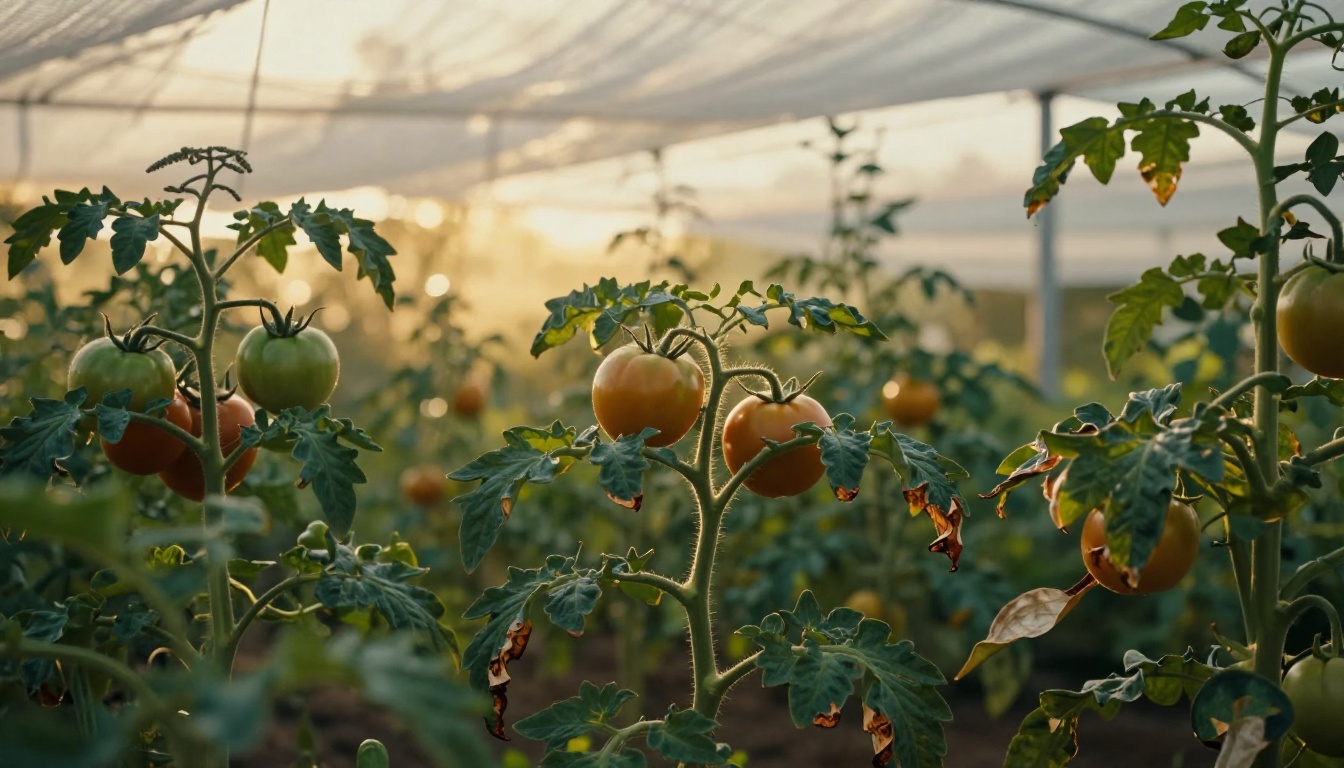
Picture this: you step into your garden after a scorching afternoon. Your favorite tomato plants look ragged. Leaves curl and crisp at the edges. That leaf scorch hits hard in summer peaks.
Intense sun over 90 degrees Fahrenheit, dry winds, and low humidity team up to burn foliage. Plants like citrus trees or maples suffer most. Shade cloth offers a quick fix. It blocks harsh rays yet allows air and some light through.
You save your garden without much hassle. This guide covers spotting scorch early, picking the right cloth, easy setup, pro tips, and mistakes to skip. Let’s protect those plants now.
Spot the Early Signs of Leaf Scorch in Your Summer Garden
Summer heat waves turn gardens into battlegrounds. Leaves show trouble first. Yellow tips brown and crisp up fast.
Curling edges signal stress. Scorched patches spread from margins inward. Veggies like tomatoes wilt midday. Citrus leaves drop prematurely.
Direct sun bakes them when temps climb. Low soil moisture worsens it. July and August bring longer days and dry spells. Heat over 95 degrees spikes the risk.
Maples and young trees droop too. Act quick because damage spreads. Check your beds today.
Walk your garden in late afternoon. Look for dry, papery edges. Touch leaves; they feel brittle. Wilting by noon means trouble.
Poor watering or reflected heat from walls adds fuel. Wind dries them faster. Spot these signs, and you stop loss early. Healthy plants bounce back.
Choose the Best Shade Cloth to Shield Your Plants
Pick cloth that fits your needs. Shade percentage matters most. It blocks light without starving plants.
Measure your space first. Beds need custom cuts. Pots work with smaller panels. Prices run $0.20 to $0.50 per square foot.
Knitted polyethylene lasts years. It resists UV and tears. Breathable design lets rain soak through. Buy from garden centers or online suppliers.
Colors affect performance. Black absorbs heat but blocks more light. Green blends in. Aluminet reflects rays best.
Match it to your plants for top results. Too little shade leaves burns. Excess slows growth. Start here for success.
Match Shade Percentage to Your Plant Types
Light lovers need 20 to 30 percent shade. Fruit trees and herbs thrive under it. They get protection yet plenty of sun.
Veggies like peppers take 40 to 50 percent. It cuts glare during peaks. Tender flowers or seedlings want 70 to 90 percent.
Ferns and hostas prefer heavy cover. Test with a phone light meter app. Adjust if growth lags.
Too much shade stretches stems leggy. Plants pale and weaken. Balance keeps them robust.
Pick Durable Materials Built for Hot Summers
Knitted cloth beats woven. It won’t fray in wind. Water passes easily.
UV treatment extends life to five years. Skip thin plastic; it rips fast. Aim for 3 to 4 ounces per square yard.
Lightweight versions handle solo. Heavy duty suits big areas. Check labels for hot climate ratings.
Quality pays off. Cheap buys fail mid-season. Invest once for repeats.
Set Up Shade Cloth in Minutes for Instant Relief
Installation takes under an hour. You gain relief right away. Prep keeps it smooth.
Clean the area first. Measure height and width twice. Leave room for airflow.
PVC pipes or hoops form frames. Stakes anchor in ground. Tension prevents sags.
Raise it 12 to 18 inches above plants. Air circulates below. Set up late afternoon on day one.
Potted plants benefit too. Drape and clip secure. Follow these steps for a solid job.
- Clear weeds and debris from the spot.
- Cut cloth to size with sharp scissors. Add 6 inches extra.
- Assemble frame with PVC elbows and tees.
- Position over plants and stake down.
- Drape cloth and attach with clips.
- Pull taut and trim excess.
Your garden shades instantly. Plants perk up overnight.
Gather Simple Tools and Supplies First
Stock basics for any size. Shade cloth leads the list. Add PVC pipes or wood for frames.
Zip ties or hog rings secure edges. Hammer drives stakes. Total cost stays under $50 for small setups.
Shade clips speed work. Tension wire adds hold. Rope ties it down.
Shop once; reuse next year.
Build a Sturdy Frame That Fits Your Space
Hoop style suits raised beds. Bend PVC over for arches. Rows take A-frames.
Trees need slanted panels south-facing. Anchor stakes 12 inches deep against wind.
Greenhouses use clips on existing bars. Custom fits every spot.
Scale to your garden. Simple builds last seasons.
Secure and Tension for All-Weather Hold
Punch grommets every 2 feet. Rope to posts pulls even. Overlap seams 6 inches.
Check tension daily first week. Wind tests hold fast.
Rocks weigh edges if stakes fail. Secure setup weathers storms.
Smart Tips to Keep Shade Cloth Working All Summer
Water deep under the cover. Mulch holds moisture. Rotate pots for even light.
Monitor humidity and temps daily. Clean dust monthly with a hose. Adjust for shifting sun angles.
Pair with row covers early. Extend to fall if heat lingers. Track health weekly.
Plants green up fast. Yields boost too.
Watch Plants and Tweak Your Setup as Needed
Leggy stems mean excess shade. Raise cloth higher. Pale leaves confirm it.
Ongoing burns signal too little. Drop percentage or lower it. Mid-season changes work.
Observe weekly. Healthy growth guides you.
Team Up Shade Cloth with Watering and Mulch
Soak soil 2 to 3 times weekly. Add 2 to 3 inches organic mulch. Evaporation drops 50 percent.
Roots stay cool and fed. Combo multiplies benefits.
Avoid These Shade Cloth Blunders That Hurt Your Plants
Wrong percentage scorches or starves plants. Match types carefully.
Loose cloth flaps and tears. Tension it right from start.
Block airflow, and mold grows. Keep space below open.
Pests hide underneath. Inspect weekly. Shake off bugs.
Leave it on too long into fall. Remove when days cool. Over-tightening rips fabric.
Skip measuring; you waste cloth. Double-check sizes first.
Fix these, and your setup shines.
Shade cloth stops leaf scorch simple and sure. Plants thrive through summer peaks. Grab yours before the next heat wave hits.
Start with one bed or pot. Share your results in comments below. Enjoy that lush garden worry-free. What plants will you save first?