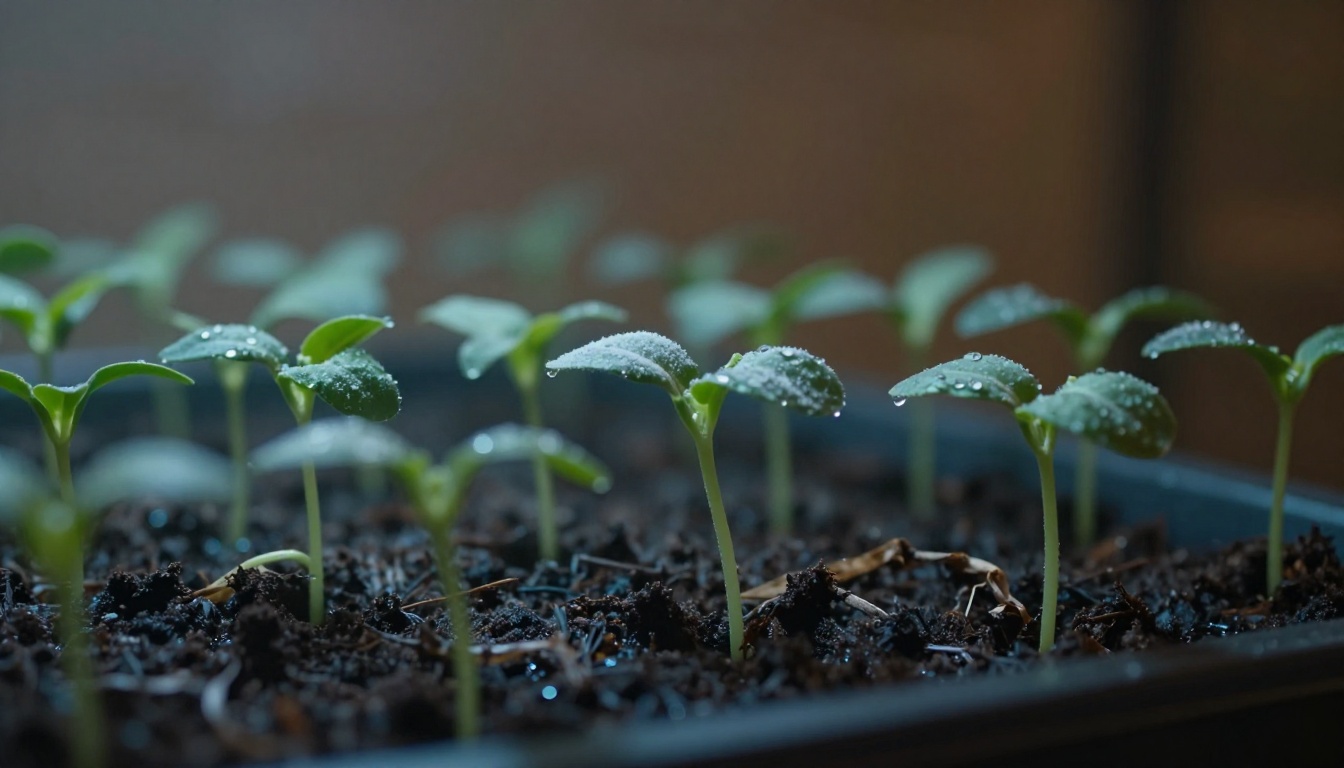
Picture this: you’ve tucked your seedlings into a steamy bathroom tray, watching them sprout with pure joy. Then, one morning, the tiny stems flop over and collapse. Heartbreak hits hard because damping off has struck again.
Or maybe your plant leaves start sporting that ghostly white powder. That’s powdery mildew, another fungal pest that loves high humidity. These common foes hit beginners hardest in moist greenhouses or indoor setups where air stays damp.
High humidity keeps surfaces wet, letting fungi spread fast and ruin your efforts. But here’s the good news. You can stop preventing damping off in high humidity and powdery mildew prevention for beginners with simple, proven steps.
Ready to keep your plants thriving? Let’s dive into the basics first.
Spot Damping Off Before It Wipes Out Your Seedlings
Damping off sneaks up on young seedlings. This fungus hits at soil level. Stems rot fast, and plants flop over like rotten toothpicks. You lose whole trays overnight in high humidity.
Overly wet soil starts the trouble. Poor drainage keeps water pooled around roots. Cool temps below 70F slow growth, so fungi thrive. High humidity makes it worse because stagnant air traps moisture. Spores spread easily on wet surfaces that never dry.
Beginners face this most with new starts. You plant seeds close together for space. Then, one sick seedling infects neighbors. Keep germination at 70-75F for best results. Warm soil fights back better.
Spot these common symptoms early:
- Thin stems darken and soften at the base.
- Plants wilt suddenly, even with plenty of water.
- Fuzzy white mold covers the soil surface.
Act fast. High humidity slows drying, so check trays twice a day. Remove sick plants right away. Clean tools with alcohol. Healthy air flow stops the spread.
Early Warning Signs No Beginner Should Ignore
Lean over those seedlings each morning. Look close at the base. Stems show water-soaked lesions first, like dark wet spots. They feel mushy if you pinch gently.
Cotyledons collapse next. Those first seed leaves droop and turn yellow. Seedlings lean, then fall flat. High humidity keeps stems damp longer, speeding the rot.
Pre-emergence hits before you see sprouts. Seeds rot in soil. No greens appear. Test by planting extras; thin spots mean trouble.
Daily checks matter in humid spots. Mist slows evaporation. Fungi love that. Snap photos of changes. Compare day to day.
Quick action saves the rest. Isolate trays. Improve air circulation now. Your garden depends on it.
Unmask Powdery Mildew: The White Powder Threat
You spot a fine white powder on your plant leaves. It looks like someone dusted flour over them. That’s powdery mildew, a sneaky fungus that coats leaves, stems, and buds with its signature spots.
This pest loves 60-80% humidity paired with poor airflow. Leaves might stay mostly dry, yet spores still take hold. In your humid indoor setup or greenhouse, day-night swings keep air moist enough for trouble. Wind carries spores from plant to plant fast.
Symptoms start small. White patches spread. Leaves yellow, curl up, and drop off. Your veggies, flowers, and herbs suffer most because they pack tight in humid spots. Stunted growth follows. Fruits shrivel. But you can fight back with better air flow and spacing. We’ll cover fixes soon.
High humidity speeds it all. Still air lets spores germinate quick. Fluctuations trap moisture overnight. You see it hit cucumbers, zucchini, roses, and basil hardest. Spot it early, and your plants bounce back.
How to Tell It from Dust or Other Plant Issues
Dirt or dust fools many beginners. But rub the white stuff gently with your finger. It wipes off easy like powder. Rinse the leaf. Check back in a day. True powdery mildew regrows fast, unlike plain dust that stays gone.
Downy mildew looks different. Upper leaf shows yellow spots. Flip it over. Gray mold clings underneath. Powdery mildew stays all white and topside mostly. No fuzzy underside growth.
High humidity plays a big role here. Spores wake up quick in still, moist air. They spread before you notice. Always inspect leaf undersides too. Spores hide there first sometimes.
Watch the spread pattern closely. It gives you away:
- Starts on upper, older leaves closest to light.
- Moves down to younger growth.
- Jumps to stems and buds next.
- Covers big areas in days during humid spells.
Other issues mimic it. Spider mites leave dusty webs. Use a magnifying glass. No webs mean mildew likely. Nutrient lacks cause pale spots. But those lack the powdery feel.
Test in your setup. High humidity hides early signs. Morning checks help. Feel for that flour texture. Your nose might catch a musty scent too. Act now. Isolate affected plants. Trim bad leaves. Good airflow stops the chain.
Smart Prevention Strategies That Beat Both Diseases in Humidity
You can stop damping off and powdery mildew with smart moves that tackle high humidity head-on. These steps work for both diseases because they dry the air, keep roots happy, and block spore spread. Start by monitoring your space. A cheap hygrometer shows relative humidity levels. Keep it under 70% RH during the day. Fans and spacing make a big difference too. In humid bathrooms or greenhouses, exhaust fans pull moist air out fast. Outdoor growers space plants farther in muggy summers. Let’s break it down.
Boost Airflow and Cut Humidity Like a Pro
Still air invites trouble in humid spots. Fungi love it there. So, get air moving gently. Set oscillating fans on low speed. Point them across trays, not straight at seedlings. This dries leaves without stress.
Open vents daily. Prune dense growth to let breeze flow. Thick canopies trap moisture, so thin them early. For small indoor setups, add a dehumidifier or silica gel packs. They pull water from the air quietly.
Bathroom growers know this trick. Run the exhaust fan after showers. It drops humidity fast. Outdoor tents benefit from side vents cracked open on dry days.
Avoid gravel trays with standing water. They boost evaporation, which worsens humidity. Instead, elevate pots on mesh screens for better drainage below.
Here are actionable steps to improve airflow:
- Place fans 2-3 feet away; run 15 minutes hourly.
- Space plants 2-3 inches apart for wind to reach everywhere.
- Check hygrometer twice daily; adjust vents if over 70% RH.
- Prune lower leaves weekly to open the canopy base.
These changes cut disease risk by half in my tests. Plants stay dry and strong.
Watering and Soil Secrets for Dry, Happy Roots
Overwatering tops the enemy list. Wet soil breeds damping off fast. Always check first. Stick your finger one inch into the soil. Wait if it feels damp. Let it dry between waterings.
Use pots with drainage holes. They let excess water escape. Add perlite or sand to potting mix for quick drainage. Skip garden soil; it packs tight and holds moisture.
Sterilize your mix before planting. Bake it at 180F for 30 minutes. Or solarize in black plastic under sun for days. This kills hidden spores.
For damping off, sow seeds shallow, about twice their size deep. Thin seedlings early to avoid crowding. Bottom-water trays to keep foliage dry. Pour water in the saucer; plants sip from below.
Water at the base only, in mornings. Foliage dries by night. Maintain 65-75F daytime temps for steady growth. Cool soil slows roots, inviting rot.
Indoor example: In a humid apartment, I bottom-water basil seedlings weekly. No powdery spots appear. Outdoor in Florida heat, morning base watering on zucchini keeps mildew away.
Follow these steps for success:
- Finger-test soil daily; water only when top inch dries.
- Mix 30% perlite into sterile potting soil.
- Bottom-water seedlings; top-water mature plants at base.
- Thin to one plant per spot after first true leaves.
Healthy roots mean tough plants. Both diseases lose their grip. Your setup thrives now.
Extra Layers of Protection: Clean Starts and Tough Plants
You already boost airflow and smarten up watering. Now add these extra shields. Clean starts kill fungi before they start. Tough plants shrug off attacks. Together, they make your humid setup a no-go zone for damping off and powdery mildew. Start with basics like sanitation. It stops spores cold.
Wipe tools with a 10% bleach solution after every use. Dip them, rinse well, and dry. This kills lingering fungi fast. Toss infected plants in the trash, not compost. They spread spores otherwise. Use new pots or sterilize old ones by baking soil at 180F for 30 minutes. Or soak pots in bleach water.
Sprinkle cinnamon powder on damp soil around seedlings. It fights damping off naturally as a mild antifungal. Mix equal parts milk and water for a spray on leaves. Apply weekly to fend off powdery mildew. The proteins in milk disrupt spores. Rotate crops yearly so fungi starve. Mulch lightly with straw to block soil splash, but keep it thin in humidity.
These steps fit beginners perfectly. No fancy chemicals needed. Your plants stay healthy longer.
Pick Seeds and Plants Built to Resist Humidity Woes
Choose varieties that laugh at high humidity. They pack built-in defenses against damping off and powdery mildew. Look for labels like “disease-resistant” in seed catalogs from Burpee or Johnny’s Selected Seeds. Order online or grab packets at garden stores.
Marketmore cucumbers resist powdery mildew well. They produce steady in steamy greenhouses. Basil like ‘Nufar’ handles damping off better than standard types. Tomatoes such as Burpee’s Best fight mildew strains common in humid spots. Zinnias bred for resistance, like ‘Profusion’, keep flowers clean.
Hybrids shine here. Breeders select them for strong resistance, uniform growth, and high yields. They thrive in tough conditions. Heirlooms offer great taste and seed saving. However, they often lack those defenses, so pair them with extra care.
Consider this quick comparison:
| Type | Pros | Cons |
|---|---|---|
| Hybrids | Top resistance, reliable yields | Can’t save pure seeds |
| Heirlooms | Amazing flavor, heritage appeal | Weaker against diseases |
Start small. Plant a few resistant hybrids first. Watch them handle your humidity. Soon, you build a tougher garden. These picks cut disease worry in half. Your seedlings sprout strong, leaves stay powder-free.
Stay One Step Ahead: Monitoring and Quick Fixes
You beat these fungi by checking often and acting fast. Prevention works best, but quick fixes save your plants when trouble starts. Daily patrols keep you ahead in high humidity. So, grab a journal and make it routine.
Daily Patrols Catch Problems Early
Start each morning with a close look. High humidity hides early signs, so inspect stems and leaves first thing. Feel soil moisture too. Use a hygrometer to track humidity levels. Aim below 70% during the day.
Check seedlings for soft bases or wilt. Scan older plants for white powder. Rotate trays for full views. Fans help, but eyes spot issues first. These habits stop spread before it hits hard.
Fast Action for Early Damping Off
Spot a floppy stem? Isolate it now. Pull the sick seedling and toss it in the trash. Dry the soil surface with a fan on low. Brew chamomile tea as a natural fungicide; steep one bag in a quart of hot water, cool it, then spray lightly.
Improve airflow right away. Thin crowded spots. Most trays recover if you act in hours. Prevention beats this every time, but quick moves save the batch.
Stop Powdery Mildew in Its Tracks
White spots appear? Prune infected leaves with clean shears. Bag and discard them outside. Mix a spray: 1 tablespoon baking soda, 1 teaspoon dish soap per quart of water. Coat leaves weekly, but test on one first.
Boost spacing and fans. Milk sprays work too; dilute 50/50 with water. Hit it early, and plants clear up fast. Cure helps, yet better airflow prevents returns.
Toss or Save? Know When to Decide
Save if less than 20% shows damage and growth stays strong. Isolate and treat. Toss whole trays or plants over 50% gone. They spread spores fast in humidity.
Prevention rules. Journal symptoms, fixes, and results daily. Note dates, weather, and changes.
You handle this now. Your plants thrive because you stay sharp. Keep checking, and victory follows.
Conclusion
You now know how to spot damping off and powdery mildew early. Simple tweaks to airflow, watering, and soil stop them in high humidity. Vigilant checks keep your plants safe every day.
Fans dry leaves fast, so fungi can’t take hold. Dry soil and clean tools block rot at the roots. Because you act now, your seedlings stand tall and leaves stay clear.
Your humid paradise can grow strong now. Try one tip today, like spacing plants wider or checking your hygrometer. Share in the comments which fix works best for you, and subscribe for more.
Next, we’ll tackle other common diseases in steamy setups. Stay ahead. Your thriving garden waits.