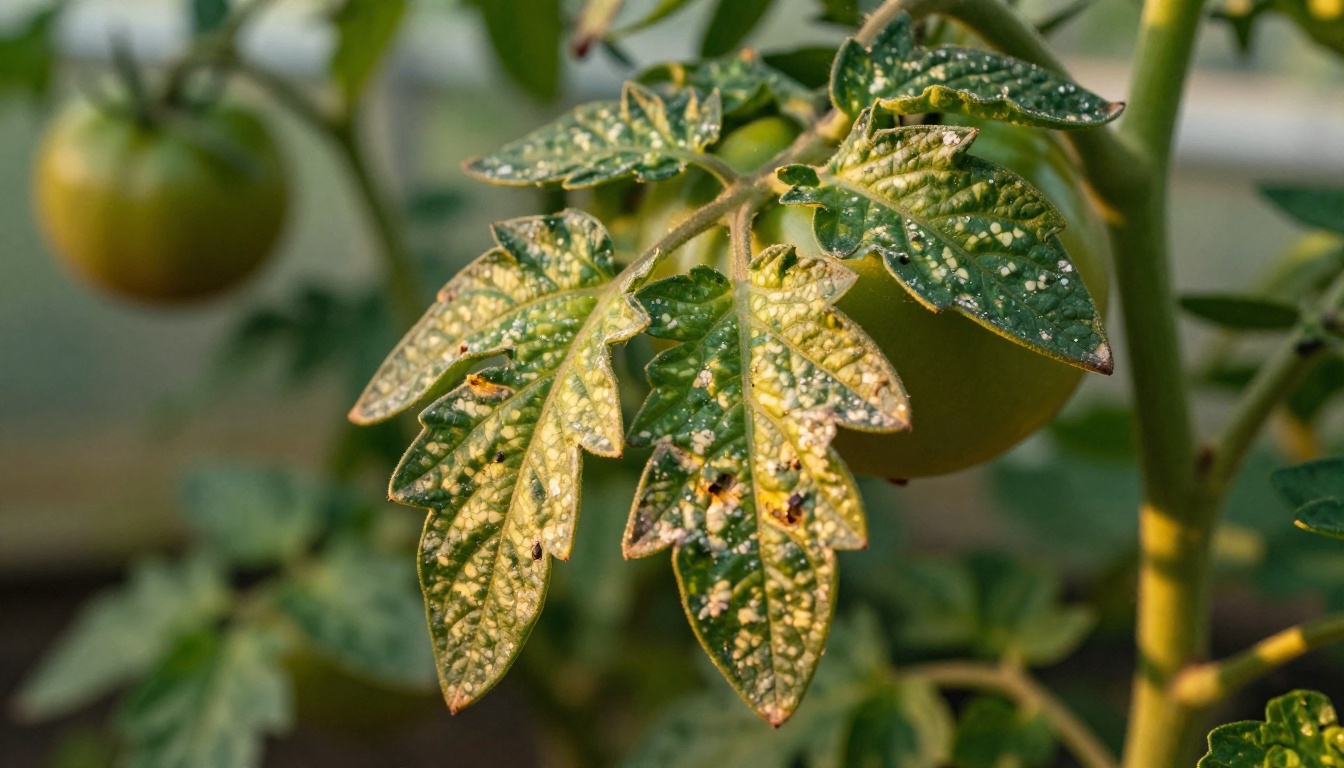
Picture this: your prized tomato plant thrives in the summer sun. Then, overnight, leaves yellow and drop. You wonder what happened. Spider mites struck. These pests, smaller than a grain of salt, suck sap from leaves. They explode in warm, dry weather. Spot them fast, or they ruin your whole garden. They reproduce every few days.
You can catch them before damage spreads. This guide shows visual clues, simple tests, and common mix-ups. Start checking today to save your plants.
Spot Tiny Dots and Color Changes on Leaves First
Leaves tell the first story. Look for stippling, fine white or yellow speckles like light salt sprinkles. Mites poke cells while feeding. This starts on older, lower leaves. Soon, yellowing spreads. Bronzing or scorching follows. Leaves curl, dry, and drop early.
Healthy leaves stay deep green and flat. Compare them side by side. In hot, dry spells, check daily. Damage races ahead because mites thrive there.
Understand Stippling: The Classic Spider Mite Clue
Stippling marks sap loss. Tiny pale dots cluster from veins outward. People mistake it for disease. Hold the leaf to light. Dots glow clearer. It hits undersides first, but topsides show damage quick.
For example, tomato or bean leaves speckle early. Ignore it, and spots merge. Act now for best results.
Watch for Yellow Halos and Leaf Scorch
Yellow spots rim stipples. They grow into halos. Then the leaf bronzes, like sun scorch. Check patterns though. Sun damage scatters. Mite harm clusters tight.
In addition, edges crisp fast. This differs from drought stress. Test one plant, then scout neighbors.

Look for Delicate Webs That Signal Active Infestation
Webs scream trouble. Fine, silky strands hug leaf undersides or joints. They differ from thick outdoor spider webs. Dust, eggs, and mites cling inside. A colony grows when you see them. Spread risk jumps high.
Part leaves gently. Avoid shaking mites loose. Morning dew makes webs shine. Check then for easy spots.
Where Webs Show Up Most Often
Focus on undersides first. Joints and crowded spots follow. Lower plants web heavy. Heavy strands mean late stage. Mites already spread.
Meanwhile, isolated webs hint early action. Blast with water next. But confirm first.
Use the Shake Test to Reveal Hidden Mites
Doubt lingers? Try the shake test. Tap a branch over white paper. Tiny specks drop. They scoot fast, red, green, or yellow. This spots live mites before webs form.
Repeat on branches across the plant. Calm days work best. No wind scatters clues.
Step-by-Step Guide to the Shake Test
- Grab white paper or cloth.
- Hold it under a branch.
- Tap gently five to ten times.
- Watch one minute for movers.
Specks crawling sideways? That’s mites. Dust sits still.
What Moving Specks Tell You About the Infestation
Mites zip unlike pollen. Few specks mean early catch. Many signal hurry. Count them roughly. Then treat fast. This test beats waiting for damage.
Inspect Up Close with Simple Magnifying Tools
Eyes miss mites. Use a 10x hand lens or phone app. Adults look pear-shaped with two dark spots. Legs blur in motion. Eggs gleam pearly white in clusters.
Check undersides weekly in dry heat. They hide there most. Flashlight helps shadows pop.
Pick the Right Magnifier for Home Gardeners
Jeweler’s loupe costs little. Phone apps magnify free. Good light matters. Skip toy lenses. They warp views.
In short, steady hands reveal all. Practice on healthy leaves first.
Spot Mites, Eggs, and Cast Skins Close Up
Adults match pinheads. Eggs cluster tight. Shed skins add debris. Healthy leaves stay clean.
For instance, cucumber undersides swarm first. Note patterns for future checks.

Check Prime Hiding Spots Before They Spread
Mites sneak smart. Flip lower leaf undersides. New growth tempts them. Stems and crotches hide clusters. They climb from soil up.
Scan top to bottom. Crowded beds breed fast in heat. Isolate suspects quick.
Undersides of Leaves: Their Favorite Feeding Ground
Every leaf deserves a flip. Bottom plants pack dense. Soft brush disturbs less.
Higher counts there mean feeding frenzy. Water spray follows inspection.
New Growth and Stem Crevices
Tender tips draw mites. Crotches trap eggs. Spread shoots plant-wide fast.
Check daily in peaks. Prevent jumps to others.
Rule Out Aphids, Thrips, and Other Impostors
Wrong pest means wrong fix. Aphids cluster topsides. They leave sticky shine, no webs. Thrips streak silver. They fly off. Lace bugs spot varnish-like.
Use these traits to sort:
| Pest | Size/Movement | Damage | Extras |
|---|---|---|---|
| Spider Mites | Tiny, zip sideways | Stipple, fine webs | Shake specks |
| Aphids | Larger, slow | Curl, honeydew | Topsides clusters |
| Thrips | Slender, fly | Silvery streaks | Raspy chew |
| Lace Bugs | Flat, jump | Varnish spots | Thicker webs |
Table shows clear splits. Mites stay unique.
Aphids vs Spider Mites: Key Differences
Aphids hug stems green or black. Shine coats leaves. Mites stick undersides. They stipple dry.
Movement seals it. Aphids crawl slow. Mites dash.
Thrips and Lace Bugs: Spot the Mimics
Thrips silver-line leaves. Damage rasps rough. No shake specks drop.
Lace bugs blacken spots. Webs bulkier. Check mobility.
Spotting spider mites early saves seasons. Watch for stipple, webs, shake specks, and close views. Check weekly in warm, dry air. You halt spread best then.
Grab paper and lens today. Inspect now. Share your close calls below. What signs fooled you first?