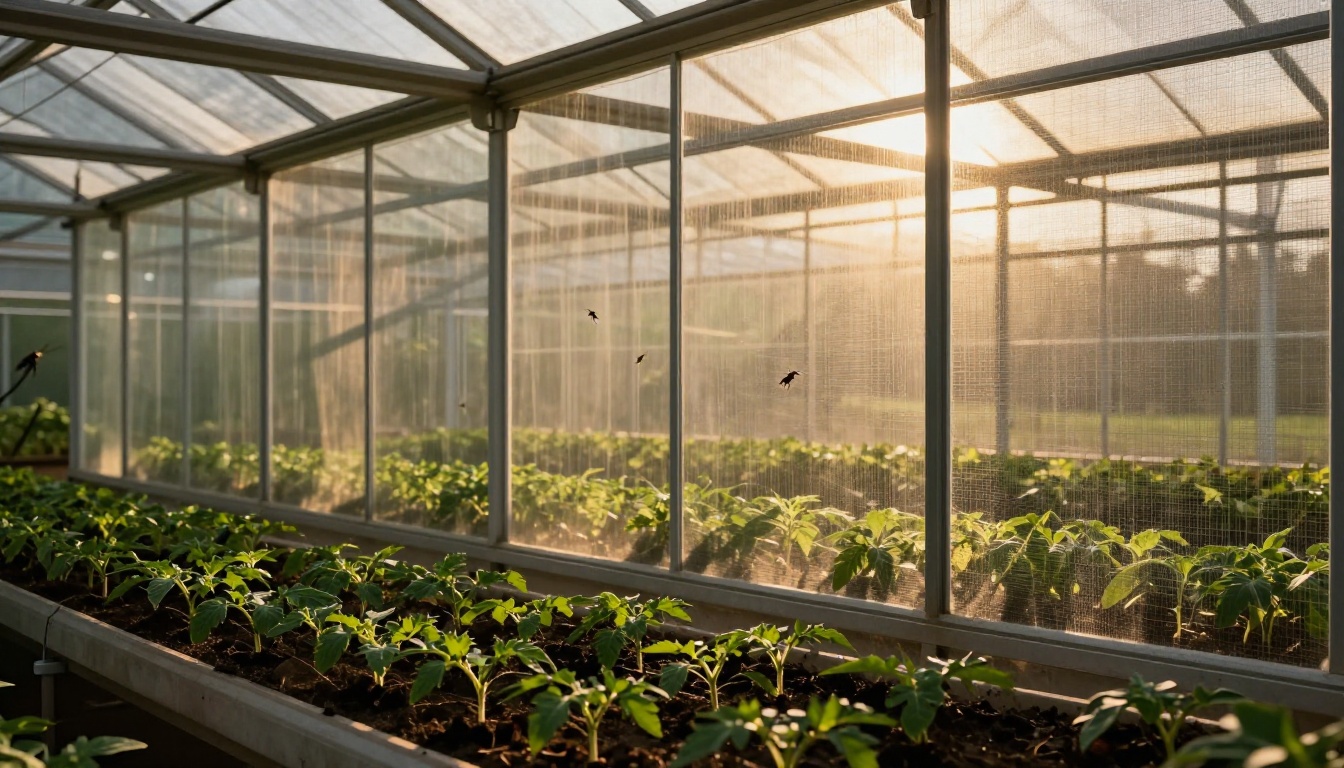
Picture this: You spend weeks nurturing tomato seedlings in your greenhouse. Then aphids swarm in overnight. Leaves curl and yellow. You lose half your crop. It happens to many gardeners. Pests destroy up to 40% of crops without protection each year.
Physical barriers stop bugs before they enter. They save time over sprays. You avoid chemicals too, which helps the environment and cuts costs. This guide walks you through assessing risks, choosing materials, building the system, and maintaining it.
Follow these steps. You’ll enjoy pest-free growing all season.
Spot Your Greenhouse’s Weak Spots and Pinpoint the Pests to Target
Start here to save effort. Assess your setup first. Bugs sneak through doors, vents, cracks, and sides. Inspect everything. Then match barriers to the threats.
Know your enemies. Common pests include aphids, spider mites, thrips, and cabbage loopers. Aphids suck sap from leaves. They leave sticky residue. Spider mites spin fine webs and speckle plants with yellow dots. Thrips rasp leaves, causing silver streaks. Cabbage loopers chew holes in greens.
Map your greenhouse. Sketch it or take photos. Note entry points. Consider pest size. Tiny thrips need fine mesh. Larger loopers allow bigger holes. Pests change by season. Aphids peak in spring. Mites thrive in dry summers. Prevention works better than cures.
Inspect Every Inch for Hidden Entry Points
Walk through your greenhouse slowly. Check frames for rust or bends. Look at overlaps where panels meet. Examine soil edges around the base. Utilities like hoses create gaps too.
Grab a flashlight. Shine it into dark corners. Measure gaps with a tape measure. Note sizes in inches. Wind and rain loosen seals over time. Mark spots that flex. Prioritize doors and vents. They see heavy use.
Fix big issues first. Seal loose soil with edging. This blocks crawlers from below. Your inspection sets up success.
Identify Top Pests Lurking in Your Area
Focus on local threats. Aphids measure 1/16 inch. They cluster on new growth. Spider mites, even smaller at 1/50 inch, hide under leaves. Thrips stretch to 1/25 inch. They leave black specks from feces.
Cabbage loopers grow to 1.5 inches as caterpillars. They drop from above. Whiteflies flutter up when disturbed. They look like tiny moths. Check your state’s extension service for updates. They list regional pests.
Pest size guides your choice. Use 1/16-inch mesh for thrips. Go coarser for loopers. Test leaves weekly. Early signs mean quick action.
Pick Tough Materials That Block Pests and Last for Years
Choose wisely. Materials must block pests yet allow air and light. Breathable options prevent mold. UV resistance ensures long life.
Screening comes first. No-see-um mesh stops the smallest bugs. Tulle works for DIY. Frames hold it taut. PVC suits light setups. Aluminum handles wind. Seals fill gaps.
Budget matters. Basic kits cost under $100 for small spaces. Premium setups run $500 plus. Source from garden stores or online. Stock up on fasteners.
Best Screening and Netting for Tiny and Large Pests
Mesh size rules. 50-mesh blocks thrips and mites. It has holes at 1/50 inch. Larger 16-mesh stops beetles. Nylon resists tears best. Polyester handles UV well. Polyethylene offers airflow.
Test samples. Hold against wind. Check light passage. Look for anti-rip weaves. Fine mesh needs tension to avoid sagging. Buy extra rolls. Overlaps prevent leaks.
For big pests, heavier netting works. It lasts three to five years outdoors.
Sturdy Frames, Doors, and Seals to Lock It All In
PVC pipes bend easy for DIY frames. They cost little. Aluminum frames resist rust. Use them for doors.
Sliding screens fit tracks. Magnetic doors snap shut. Velcro works for quick access. Foam weatherstripping fills frame gaps. Rubber seals handle moisture. Silicone caulk bonds permanently.
Fasteners secure all. Staples hold screening to wood. Grommets thread through mesh for clips. Zippers allow panels to open. These endure storms if installed right.
Build and Install Barriers Step by Step for Total Coverage
Now assemble. Wear gloves and eye protection. Work on calm days. Aim for full coverage or target weak spots. Overlap seams six inches. Bury bottom edges in soil.
Small greenhouses take one to two days. Larger ones need a weekend. Test airflow often. Plants need fresh air.
Prep Your Greenhouse and Cut Materials to Fit
Clean surfaces first. Remove dirt and webs. Repair bent frames with pliers. Measure twice. Add two inches extra for overlaps.
Cut screening with sharp scissors. Use tin snips for frames. Pre-assemble on the ground. This eases lifting. Label sections. Match to sketches from your inspection.
Dry fit everything. Adjust before permanent fixes.
Attach Screening Firmly Without Tearing or Sagging
Start at the top. Staple every two inches to frames. Use spline rollers for grooves. Clips work on metal.
Pull taut as you go. Work side to side. Secure bottoms with bricks or trenches. Fill trenches with soil. This stops ground pests.
Tension evenly. Bags invite tears. Double-check corners.
- Stretch mesh corner to corner.
- Staple or clip in sequence.
- Trim excess after full attach.
Reinforce Doors, Vents, and Tricky Spots
Build vent screens first. Frame small pieces to fit. Attach with hinges. Magnetic strips hold doors.
Use velcro for frequent access. Double-layer high-traffic areas. Test by shaking. Air must flow freely. Light loss stays under 20%.
Seal utilities with foam. Caulk remains flexible.
Maintain Your Barrier System and Fix Issues Fast to Stay Pest-Free
Keep it strong. Check monthly. Hose off dirt gently. Tighten loose spots. Integrate traps inside for extras.
Winter prep saves work. Remove snow buildup. Store spare mesh dry. Success comes from habits.
Readers report fewer pests after one season. Yields double sometimes.
Routine Checks and Quick Fixes to Keep Barriers Strong
Make a checklist. Look for tears, loose clips, dirt. Hose weekly in summer. Patch holes with tape.
Seasonal tasks help. Tighten in fall. Clear debris after storms. Stock repair kits: tape, staples, mesh patches.
Quick fixes prevent invasions. Spend 15 minutes monthly.
Watch for Warning Signs and Troubleshoot Common Problems
Pests inside signal gaps. Retrace steps. Drooping mesh needs retightening. Birds peck holes; add netting over.
Humidity warps wood frames. Swap to PVC. Rodents chew bottoms; bury deeper or add metal flashing.
Adjust as needed. Test with a fan for airflow.
Your plants stay healthy.
A solid physical barrier system transforms your greenhouse. You assess weak spots, pick durable materials, build carefully, and maintain often. Healthier plants mean bigger yields.
Start small if it feels big. Seal one vent today.
Share your setup photos in the comments. What pests bug you most? Subscribe for more growing tips. Enjoy bug-free harvests.